
.webp)
Dr.
Alain Sabri: Crafting Care Beyond the
Operating Room
When we think of
healing, our minds often drift to large buildings, medicines, machines, and
procedures. Yet, at its core, healing is a profoundly human act; it is about
restoring connection, dignity, and the ability to fully experience life.
Nowhere is this more evident than in the specialty of ENT-Otolaryngology-Head
and Neck & Reconstructive Surgery, where a patient’s voice, face, hearing,
and breathing are at stake. To help someone speak again, to return silence to
sound and restoring communication, or to ease breathing, is to give back more
than health. It is to give back presence, participation, and belonging. This
field reminds us that medicine is not only about prolonging life, but about
enriching the way life is lived.
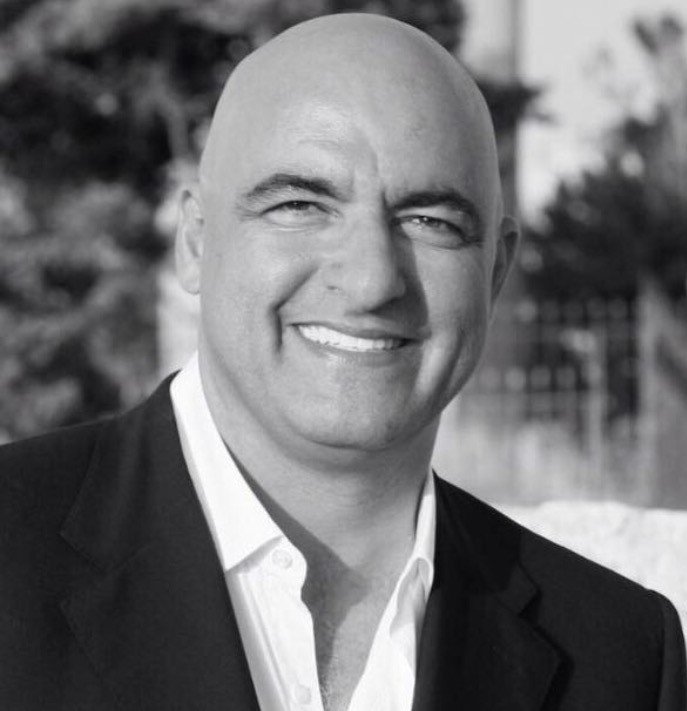
Dr. Alain Sabri embodies this vision with rare
distinction. As a practicing surgeon and an accomplished healthcare leader, he
has elevated ENT beyond treatment, weaving together clinical expertise,
research, and innovation to create care that is precise, compassionate, sustainable
and future-oriented. He has taken this mission a step further in impacting
healthcare globally, including education, training, research, establishing new
programs and humanitarian work.
A
Lifelong Fascination with Healing
From
his earliest days at the American University of Beirut School of Medicine, Dr. Sabri
was fascinated by the intricate anatomy of the head
and neck and by the profound ways Ear, Nose, Throat, and head and neck surgery
impact core human functions such as breathing, hearing, speaking, and
swallowing. During his postgraduate training at Georgetown, Case Western, and
Vanderbilt, that fascination grew into a lifelong commitment. He came to
realize that ENT surgery is not only about treating anatomy but also about
restoring function, dignity and quality of life. Along the way, he was
fortunate to meet mentors and role models who shaped his career.
Over the years, his passion has expanded beyond the operating room and his surgical specialty. In addition to his surgical practice, his work now focuses on building healthcare systems, shaping academic programs, and fostering innovation. ENT surgery has become a lens through which he approaches global health leadership, bridging clinical practice with education, research, and organizational growth.
Values
that Shape Leadership
Integrity,
compassion, collaboration, and excellence have always been the compass guiding
Dr. Sabri’s career. For him, integrity means making decisions that prioritize
ethical responsibility to patients and colleagues. Compassion ensures he never
loses sight of the human side of medicine. Collaboration remains at the heart
of every team he has built, whether in the United States, Europe, or the Middle
East, while excellence is the standard he holds himself and others to.
These
values have shaped his journey through leadership roles across diverse contexts
and have enabled him to integrate various cultural groups in leading
institutions such as the Mayo Clinic in the United States, the American
University of Beirut, the Cleveland Clinic Abu Dhabi, and the Lebanese American
University. Over the course of his career, he has served as Chairperson of five
departments, as Associate Chief of Staff at the American University of Beirut,
as Chief of Staff, Assistant Dean, Chief Executive Officer, and Chief Medical
Officer. His medical education at world-renowned institutions prepared him well
for these responsibilities. He trained at Georgetown, University Hospitals of
Cleveland, and Vanderbilt, where he completed two subspecialty fellowships that
led to his certification by the American Board of Otolaryngology–Head and Neck
Surgery as well as the American Board of Facial and Reconstructive Surgery. He
further enriched his expertise by completing a master’s degree in health
management at a graduate school, ESA, and by pursuing health leadership and
management training at INSEAD.
Dr.
Sabri’s leadership
style is inclusive, mentoring-oriented, pace-setting, and future-focused. He
strives to empower teams and create lasting structures that continue to thrive
beyond his tenure. His upbringing between Beirut and Virginia, combined with
the experience of studying in French schools, later in an American high school,
and subsequently in medical colleges and surgical training in the United
States, exposed him to diverse cultures and challenges, including the hardships
of growing up during the war. Speaking multiple languages and immersing himself
in different cultural contexts have further enhanced his ability to bring
professionals from varied backgrounds together. This multicultural foundation
has enriched his career and personal life with lasting friendships across three
continents.
Beyond
his professional commitments, Dr. Sabri values the importance of enjoying work and maintaining
balance. He believes that humor, social connection, and athletic outdoor
activities, whether individually or shared with team members, are essential in
promoting wellness and strengthening professional bonds.
The
New Era of ENT Care
Dr.
Sabri highlights
several areas that stand out in shaping the future of medicine and surgery.
Among them are newer targeted anti-cancer therapies and minimally invasive as
well as robotic surgery, which provide unprecedented precision and enable
faster recovery. He also points to AI-assisted diagnostics, which hold the
promise of earlier detection and more refined treatment planning, particularly
in radiology and pathology, and in AI-supported, human-led diagnostic and
therapeutic plans. Another area of promise is regenerative medicine, including
tissue engineering and implant innovations, which are redefining possibilities
for the restoration of function. Precision medicine and surgery, in his view,
represent the present reality, with patient-tailored treatments now being
conducted through advanced technologies that the medical community is fortunate
to access.
Dr.
Sabri believes that
the future of ENT will be defined not only by survival but also by improved
quality of life, with outcomes that are more personalized, less invasive, and
more accessible to patients across the globe.
A
Legacy of Discovery
For
Dr. Sabri,
research is not a separate activity but an integral part of how he practices
medicine. His work has spanned molecular studies in cancer, investigations into
thyroid and parotid tumors, the epidemiology of sleep apnea, physician burnout,
and implantable hearing aid technology through laboratory experiments. From his
earliest training to his current academic contributions, including publishing
chapters in Cummings Otolaryngology and co-authoring a recently released
textbook on global approaches to sleep apnea care, his career has been
consistently shaped by inquiry. He views research as a foundation for
evidence-based care, a driver of institutional growth, and a source of
intellectual curiosity. It is also a tool for teaching, as research requires
extensive study and enables him to guide students and resident trainees in
their own scholarly development. His contributions in this area were recognized
when he was promoted to Professor of Surgery at the Cleveland Clinic Lerner
School of Medicine nine years ago.
Throughout his career at leading academic centers, beginning with the Mayo Clinic in the United States and later across institutions in the Middle East, Dr. Sabri has worked to integrate clinical practice with ongoing research. He has consistently mentored students and residents, encouraging them to carry projects forward and contribute to the field. His studies on physician wellness and the causes of burnout, for example, have influenced thought leaders to adopt strategies that support healthcare professionals while safeguarding patient outcomes.
A
Philosophy of Medical Education and Mentorship
Dr.
Sabri regards
education as the legacy he is proudest of. His philosophy rests on three
pillars: competence, character, and compassion. For him, technical mastery is
essential, but professionalism, ethics, empathy, and genuine compassion are
equally vital.
At
the Mayo Clinic in the United States, he was honored with the Teacher of the
Year Award, where he embraced mentorship as a way of multiplying impact. He was
later recognized as the Outstanding Physician-Educator of the Year at the Mayo
Clinic in Abu Dhabi. Over the course of his career, he has trained more than
fifty residents, hundreds of medical students, and numerous subspecialty
fellows across twenty-five years. He also received the Honor award from the
American Academy of Otolaryngology-Head and Neck Surgery in 2010 for his
contributions to the educational programs.
Today,
in leadership roles across the globe, Dr. Sabri
continues to view mentorship as the most meaningful
way to shape the future of medicine. At a personal level, he believes it
provides a profound sense of mission and accomplishment.
Teaching
Across Cultures and Contexts
For
Dr. Sabri,
the key to advancing medical education lies in respect and flexibility. He
observes that in the United States, academic culture places strong emphasis on
structured mentorship and individual initiative, while in the Middle East,
cultural dynamics play a more central role.
When
he initiated and assisted in establishing ACGME-I accredited residency training
programs in the Middle East, he designed a model that blended international
standards with local realities. He created tailored pathways for students to
secure opportunities abroad through his connections with leading European and
North American institutions, while also responding to the unique healthcare
needs of Lebanon.
Dr.
Sabri believes that
excellence in education must be global in quality yet local in application,
adapting to the culture and market conditions on the ground.
Innovation
as the Pulse of Leadership
Dr.
Sabri says, “I see innovation and efficiency as complementary rather than
competing forces.” He is currently the founding CEO of Avicenna Healthcare
Consultancy Group with a fantastic and diverse group of experienced, ethical,
and mission-driven professionals who have trained and worked at the world’s top
institutions, including Yale, Mayo Clinic, Cleveland Clinic, Harvard, AUB, LAU,
Khalifa University, Manchester, and others.
He
explains, “We seek to offer the best to a variety of healthcare institutions
looking to grow and restructure their processes at all levels in a sustainable
fashion.” Dr. Sabri continues, “This group of individuals have a proven track
record of over at least 20 years each in addressing the common modern
challenges, whether it involves governance, restructuring, building
multidisciplinary teams of excellence, financial efficiency, revenue cycle
management, patient experience, or developing research and educational
programs.”
Reflecting
on his leadership experience, he says, “In my several leadership roles over the
past two decades, which included chairing four Otolaryngology-Head and Neck
Surgery Departments, serving as Associate Chief of Staff at AUB, Assistant Dean
for Faculty Affairs at LAU, Medical Director of HR at Mayo Clinic Abu Dhabi,
CEO of Avicenna Healthcare Consultancy Group, CMO EMEA at Health Quest Global
(now Healthtruth), and as Chief of Staff currently, my focus was on recruitment
and wellness, areas where efficiency was vital, but where innovation, such as
digital workforce management tools, brought transformative results.”
Dr.
Sabri emphasizes, “Success comes from creating metrics, empowering teams, and
fostering a culture where innovation strengthens rather than disrupts
operations.” He notes, “The old saying that ‘culture eats strategy for
breakfast’ is spot on.”
He
concludes, “I have also served on the boards of educational institutions,
hospitals, and tech companies, which has given me a broader perspective on how
leadership, innovation, and efficiency intersect across organizations.”
Lessons
from Healthcare Systems Across Regions
Dr.
Sabri observes that
healthcare systems differ in regulation, financing, and culture, yet they share
universal challenges such as cost containment, equitable access, rapid change,
and workforce burnout. His experience working in both the United States and the
Middle East has taught him that cultural intelligence and adaptability are as
important as technical expertise. He has also noted that similar challenges
exist across systems, and that most healthcare professionals strive to provide
value-based care.
He believes opportunities lie in cross-border collaboration, including joint research, telemedicine networks, and harmonized training standards. Building bridges across healthcare systems accelerates innovation and improves patient outcomes on a global scale.
Bridging
the Scalpel and the System
Dr.
Sabri’s dual
training in clinical medicine and healthcare administration allows him to
bridge the micro and macro levels of care. As a practicing clinician and
surgeon, he understands patient needs firsthand. As a healthcare executive, he
designs systems that meet those needs sustainably while collaborating with
professionals from diverse fields including medicine, engineering, marketing,
architecture, and finance.
This
combination enables him to build centers of excellence, bring teams together,
align research with clinical care, and ensure seamless patient journeys.
Diagnosis, treatment, and follow-up are integrated through empowered teams and
digital innovation. He emphasizes that maintaining direct clinical practice
keeps him attuned to the pulse of patient care while also fuelling his
leadership work.
Placing
ENT at the Core of Public Health
Dr.
Sabri believes
ENT-related disorders should occupy a central place in population health
strategies. He advocates for public awareness campaigns addressing hearing and
balance disorders, head and neck cancers, allergies, voice-breathing care, smoking
cessation, and sleep apnea. Screening for these conditions should be integrated
into primary care, supported by investment in multidisciplinary clinics,
patient awareness initiatives, and digital health tools for early detection and
follow-up.
According to him, prioritizing ENT care in this manner leads not only to healthier populations but also to reduced healthcare costs through prevention and early intervention. He emphasizes that good health is not merely the absence of disease but the presence of proactive care and education.
Causes
Close to the Heart
Three
causes are central to Dr. Sabri’s mission today: physician wellness, equity in cancer
care, and access to medical education. Recognizing that staff burnout is a
global crisis, he has designed wellness programs and research-based policies to
support healthcare professionals. Equity in cancer care is deeply personal, and
he has contributed to various charities in Lebanon and was involved in surgical
humanitarian missions in Latin America and the Middle East to expand access to
specialized care.
Dr.
Sabri is also
committed to ensuring that students and young doctors gain access to global
training opportunities. He continues to teach and engage in academic and
clinical work, including completing his second medical book and organizing the
first Emirates International Congress on Artificial Intelligence in Healthcare
and Visionary Leadership, scheduled for spring 2026. For him, advocacy is a
daily practice expressed through mentorship, service, and institution-building.
A
Legacy of Healing, Teaching, and Transformation
Reflecting
on his career, Dr. Sabri hopes to leave a legacy defined by healing, teaching, and
transformation. Healing through the lives he has touched as a surgeon. Teaching
through the generations of physicians he has mentored. Transformation through
the institutions and systems he has helped build.
He
envisions his work as advancing ENT while also shaping healthcare systems that
are humane, innovative, and globally connected, encompassing education,
research, patient care, and social responsibility. Dr. Sabri
acknowledges that no one achieves success alone and
expresses eternal gratitude to mentors, peers, families, patients, and
students. He sees this collective guidance and support as the legacy entrusted
to each generation to pass forward.
.webp)
.webp)
.webp)