
- December 18, 2025
Source:- Pinterest
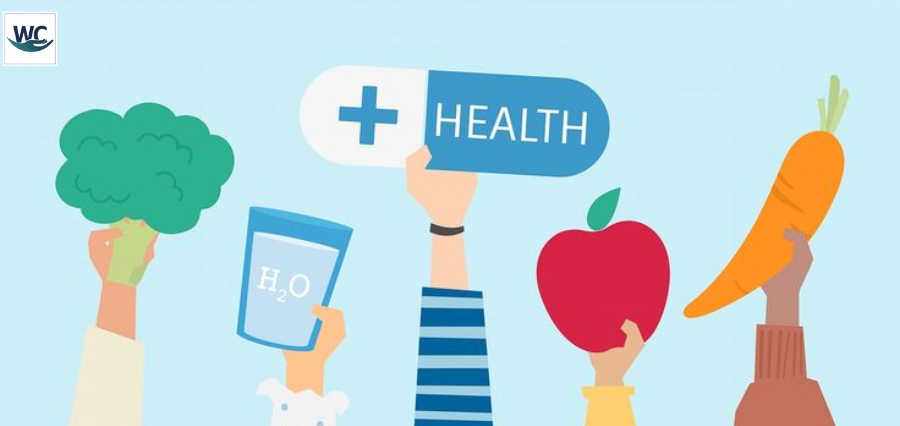
Health promotion campaigns are now a key part of public health plans all over the world. Their goal is to teach, inform, and give people and communities the tools they need to make better health choices. These campaigns are very important for improving the quality of life and taking some of the pressure off of healthcare systems because they focus on changing people's habits, raising awareness about diseases that can be avoided, and encouraging people to make positive changes.
Health promotion campaigns are more than just sharing information. Their goal
is to get people to change their behavior in ways that are easy to do and last.
Campaigns that work take into account the cultural, social, and economic
factors that affect how people make decisions. For example, programs that
encourage people to eat healthy or quit smoking work when they understand the
problems people face every day and offer real solutions.
More and more, public health groups, governments, and non-profits use more than
one way to reach people. To get the most people involved, they use social
media, TV, radio, print media, and community events. You can talk to people in
real time on social media, but community workshops give you hands-on help and a
chance to connect with others. Using these channels together makes sure that
campaigns reach a lot of people.
For something to work, the message has to be clear and easy to understand.
Campaigns that set small, doable goals instead of big, scary ones are more
likely to get people to do something. For instance, encouraging people to be
active on a regular basis works best when you focus on small changes that can
be made to daily routines.
Campaigns are made even stronger by interactive engagement. People can keep
track of their progress, set goals, and get feedback through quizzes,
challenges, and mobile apps. Community events help people support each other
and hold each other accountable, which makes health promotion efforts more
effective.
A big part of health promotion is stopping diseases from happening in the first place. Vaccination drives, teaching people about hygiene, and teaching people about nutrition all try to stop diseases before they happen. Preventive campaigns help both people and communities in the long run. For instance, programs that promote healthy eating and exercise lower the risk of long-term diseases like diabetes, heart disease, and obesity. These efforts save money and help healthcare systems use their resources more effectively.
Working together makes health campaigns stronger. Working together with
schools, workplaces, community groups, and governments can make programs more
effective and reach more people. Schools teach kids and teens how to be
healthy, and wellness programs at work help adults make healthier choices.
Community groups make sure that people who are at risk can get important health
information.
More and more, technology is a part of health promotion campaigns. Mobile apps,
wearable tech, and online platforms can give you personalized health advice,
reminders, and ways to track your progress. Virtual campaigns and webinars make
health information more available in remote or underserved areas. Collecting
data in real time helps organizers keep improving their strategies.
Mental Health and Overall Well-being
Campaigns to promote health now know that mental health is just as
important as physical health. Programs that teach people about stress
management, emotional resilience, and early intervention make it normal to talk
about these things and reduce stigma. By combining mental and physical health,
campaigns take a holistic approach that promotes overall health.
Conclusion
The main goal of health promotion campaigns is to give people power.
They equip individuals with the knowledge, skills, and motivation needed to
take control of their health. By fostering healthy behaviors, campaigns
strengthen communities and contribute to sustainable healthcare systems. A
successful campaign does more than inform; it inspires action and creates
lasting change.
The future of health promotion lies in innovation, inclusivity, and
collaboration. By embracing technology, focusing on prevention, and addressing
diverse needs, these campaigns will continue to improve lives and create
healthier societies. Health promotion is not simply a program; it is a movement
toward a future where knowledge leads to action, and action leads to lasting
well-being.
Also Read :- World Care Magazine for More information